"We want what we do now, but online."
It's a fair thing to want. It works today, the reps know their accounts, orders get keyed in and shipped. Take the phone calls out of it and let customers place their own.
But can you write down everything that happens between a customer asking for a price and their order leaving the warehouse? Including the decisions someone makes without needing to ask?
You're not alone if you can't. Some of what makes the process work lives in people's heads.
The part that isn't in the system
An account has a discount that started with a conversation nobody has revisited since. A customer goes over its credit limit the week before a large delivery and someone in the office waves it through. An order comes in for forty of something the account normally takes four of, and it gets a phone call before it gets a picking note.
That's judgement, and it's the part a website doesn't inherit. The build needs to account for when a rule applies and when a person must decide.
Digitise what you have without working that out, and someone will keep filling the gaps by hand. The phone calls may stop, but the work hasn't gone away.
Which price the customer gets
Account pricing shapes a B2B build more than anything else in the brief.
A customer has an agreed price for a product, but orders enough to qualify for a volume discount. Which price do they get? Your sales team may know the answer without thinking about it. The site needs a rule.
If the ERP holds the account pricing, the site needs to get the right price from it. That includes the negotiated exceptions your sales team applies today.
How customers place their orders
The person putting an order together may need their manager to approve the spend. That approval doesn't authorise your business to extend more credit. If the order takes the account over its limit, that's a separate decision for your team. The site needs to handle both.
And look at how customers reorder. If they buy the same twelve lines every month, they need a quick way to place that order again, whether from their order history or by entering product codes. Customers may still need to browse, but making a regular buyer find every product again is a good way to keep them ringing the office. The office is quicker.
When the answers point somewhere else
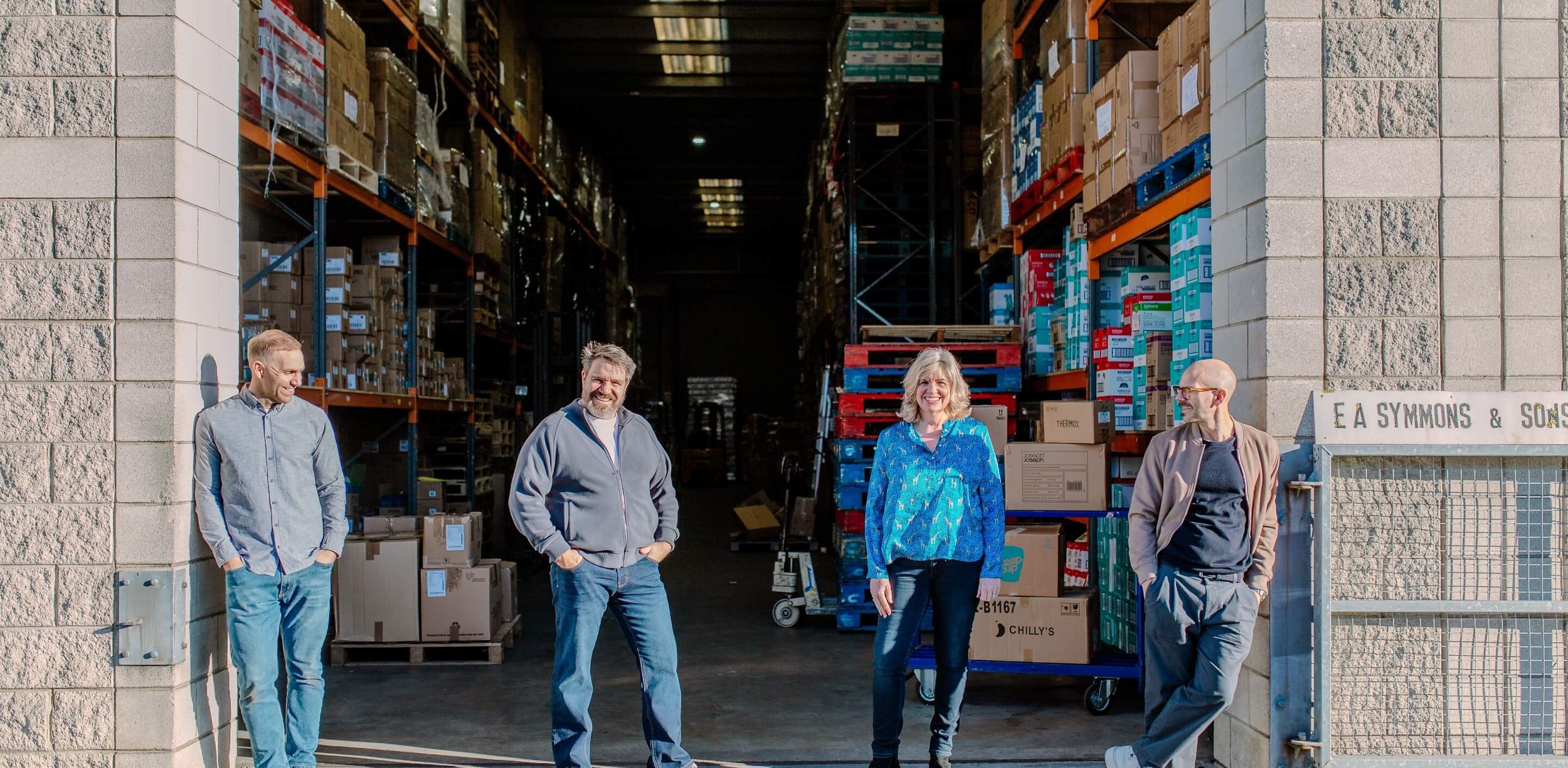
When we looked at the operation behind the brief, we found that the existing back-office system would become a bottleneck. Building custom integration around it risked creating technical debt that the business would have to maintain as its requirements changed.
So the scope grew. Brightpearl went in alongside BigCommerce B2B Edition, and the project addressed the back-office constraint as well as the trade site.
That isn't where every B2B project needs to end up. If the existing systems can support the operation, we confirm that during discovery and build on what's already there. With EA Symmons, discovery exposed a problem that a website build alone wouldn't have resolved.
The sales team question
If reps earn commission on orders they take, what happens when their accounts order online? Leave that unanswered and you may give the people closest to your customers a financial reason to keep taking orders the old way.
Work out how online orders count towards their targets and commission. Then establish what the site should do for them.
That might mean quotes that convert to orders, visibility of what customers buy between visits, or routine repeat orders taken off their hands so they can spend time on accounts that need attention. Those decisions affect what gets built and whether the sales team encourages customers to use it.
Start with the people handling orders
Ask the people taking, processing and fulfilling orders to walk you through a normal order and a difficult one.
Write down the exceptions, the phone calls and the prices that live in someone's head. Follow the order through to dispatch. What happens when only part of it is in stock, the customer needs a different delivery date, or someone has promised something the system doesn't know about?
Then decide which decisions need rules, which should stay manual, and which only exist because of software you're about to replace.
Use that to define what the site and the systems behind it need to do. Otherwise, you've moved the order online and left someone in the office to make it work.